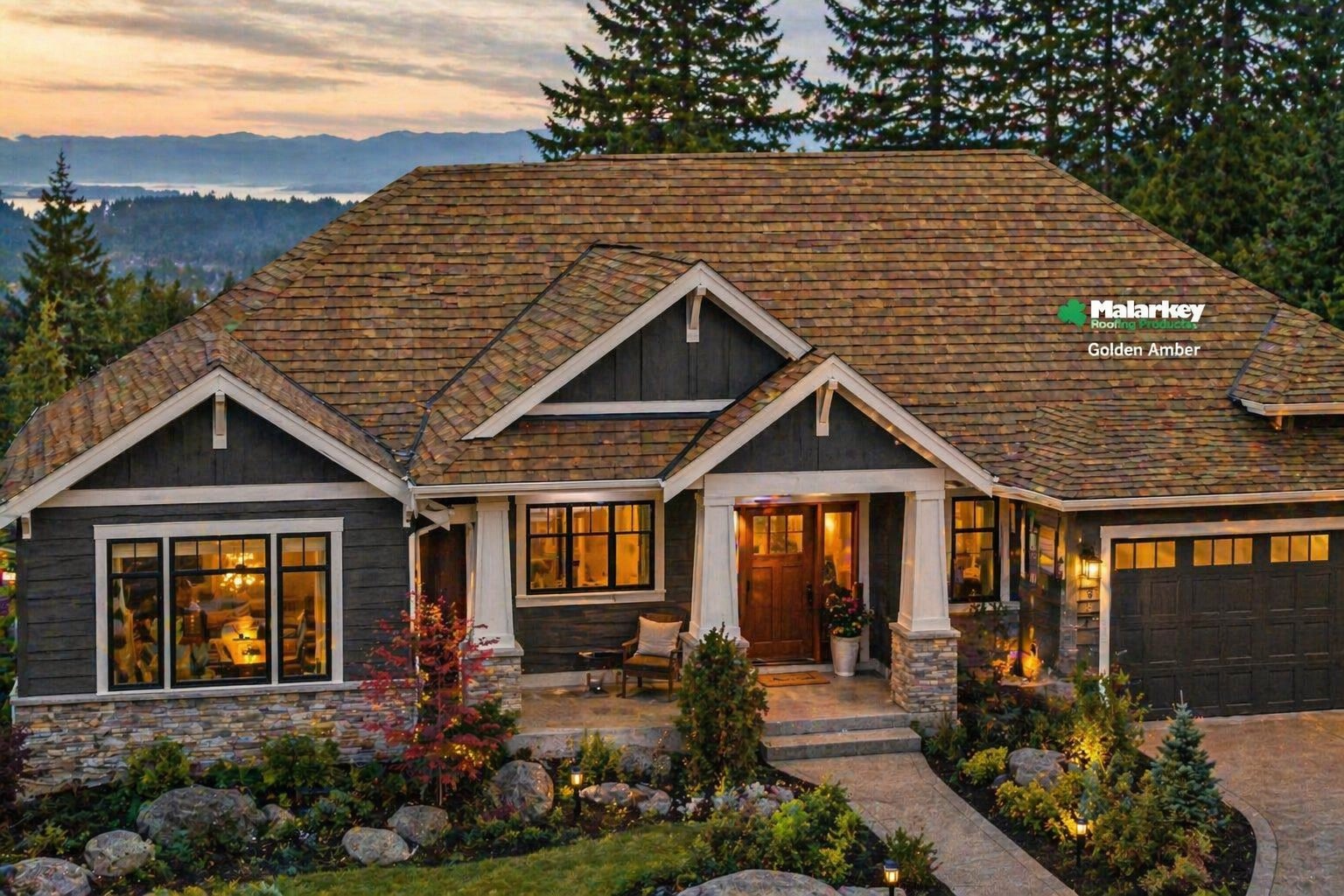
Beaverton's position in the Tualatin Valley on the leeward side of the Portland West Hills creates a consistently damp climate — 37 inches of annual rainfall arriving in a long wet season, without the occasional hard freezes that moderate moisture accumulation on some PNW roofs. Improperly vented Beaverton attics develop black staining from condensate cycling within a few years of installation, and north-facing roofs without algae-resistant granules become moss colonies within a decade. Left Coast Exteriors installs Malarkey certified roofing systems throughout Beaverton and Washington County, with ventilation assessment and product selection matched to the Tualatin Valley's specific moisture conditions.
Beaverton is Washington County's largest city and a major employment center anchored by Nike, Intel, and the broader tech corridor. Homeowners here tend to invest in quality and expect performance-grade specifications from contractors they hire. A Malarkey Legacy AR installation brings SBS-modified rubberized asphalt — a material technology that maintains flexibility in Beaverton's mild-but-persistently-damp climate — along with algae-resistant granules that are the correct baseline for any Beaverton home with meaningful tree coverage or north-facing roof area. The 30-year transferable warranty is meaningful in a Washington County market where buyers and their inspectors look closely at roof condition.
Left Coast Exteriors handles City of Beaverton permit applications as part of every project and carries Oregon CCB License 217914 for all Beaverton work. Every replacement includes ventilation assessment — because the black staining and condensate cycling common in Beaverton indicates an attic ventilation deficiency that a new roof alone doesn't correct. We evaluate ridge and soffit ventilation, identify inadequate or blocked venting, and recommend corrections that protect the new installation's performance over its full lifespan.
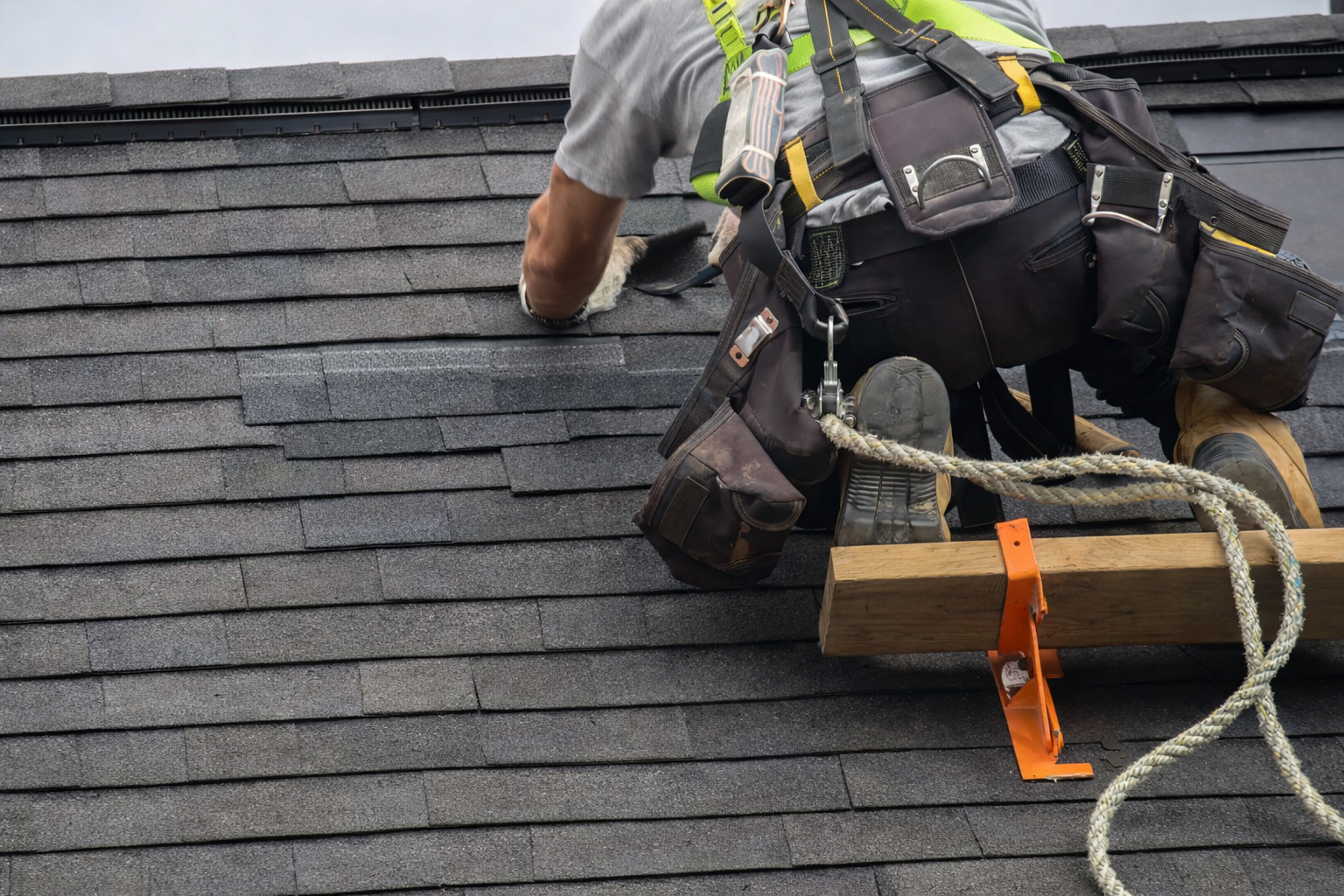
We don't recommend replacement on roofs with useful life remaining. We also don't recommend patching on roofs that have crossed the line. Full repair vs. replace guide →
Two Malarkey options cover most Beaverton projects. AR granules are the minimum standard for any Beaverton home — the Tualatin Valley climate makes algae resistance a necessity, not an upgrade. Full Malarkey product guide →
The Legacy AR is our standard recommendation for Beaverton and the most commonly installed Malarkey product in the Tualatin Valley corridor. SBS-modified rubberized asphalt provides flexibility in Beaverton's mild-but-consistently-damp climate, and the AR granule treatment resists the algae and moss colonization that Beaverton's persistent moisture promotes. Class 4 impact-rated with a 30-year limited warranty — the correct baseline for any Beaverton home being protected for the next three decades.
The Windsor AR is Malarkey's premium designer laminate — Class 4 impact-rated with a heavier, multi-layered profile. For larger Beaverton properties in tech-corridor neighborhoods near Murrayhill, Progress Ridge, or Bethany where home values support premium specification, the Windsor's 50-year transferable warranty and dimensional appearance are compelling. Washington County's stronger home values relative to the metro average make the upgrade investment case clear for premium Beaverton properties where the roof is a genuine resale asset.
Beaverton's Tualatin Valley position, aging housing stock, and tech-sector homeowner demographic create distinct roofing considerations for Washington County.
Beaverton's location in the Tualatin Valley west of the Portland Hills creates a specific moisture pattern: the West Hills block the harshest Pacific storms but allow sustained marine moisture to funnel through the valley corridor consistently. Beaverton rarely freezes hard enough to break the wet-season moisture cycle the way higher-elevation communities occasionally do. This persistent dampness means roofing systems in Beaverton see sustained wet conditions without the seasonal drying periods that moderate moisture accumulation elsewhere. Algae-resistant granules aren't an optional upgrade in Beaverton — they're the practical standard for any properly specified Tualatin Valley roofing installation.
Beaverton's mild wet season creates an attic condensation environment that traps moisture on the underside of roof sheathing in improperly vented spaces. Unlike visible leaks, condensate accumulation from inadequate ventilation produces black staining and sheathing deterioration that progress slowly and quietly — discovered at replacement when the decking condition is assessed. Any Beaverton roofing project that doesn't include a ventilation assessment is potentially solving the wrong problem. We evaluate every attic's ridge and soffit venting before specifying a replacement, and recommend corrections where needed to protect the new installation's rated performance.
Beaverton grew through multiple development waves spanning the 1970s through 2000s, producing five decades of housing with varied roofing histories. Cedar Hills and Aloha homes from the 1970s–1980s are commonly on their second roofing cycle; newer Beaverton developments from the 1990s–2000s are approaching their first. Each vintage presents different failure patterns: older homes often show more ventilation deficiency and felt-underlayment weakness, while newer homes are hitting standard architectural shingle lifecycle thresholds. Understanding which era a Beaverton home represents informs the replacement scope correctly.
Emerald is Malarkey's highest certification tier. For Beaverton homeowners selecting a Windsor AR with a 50-year transferable warranty, only Emerald-certified installers can activate full warranty coverage on Malarkey's premium product line. We carry Oregon CCB License 217914 for all Oregon work — the state licensing requirement that protects Beaverton homeowners and ensures contractor accountability.
We assess attic ventilation on every Beaverton inspection — ridge vent condition, soffit venting, and any baffling that restricts airflow. Black staining visible through shingles tells us the ventilation has been inadequate; we document the finding and recommend corrections before the new installation goes on. A correctly specified and properly vented Malarkey installation performs to its rated warranty. One without ventilation assessment may not.
City of Beaverton Building Division has permit requirements and inspection processes for roofing work. We handle permit applications and closeout as part of every project. Every job includes self-adhered ice-and-water shield at all valleys, eaves, and penetrations, a magnetic nail sweep, full debris removal, and final walkthrough before we leave your Beaverton property.
No surprises, no moving targets. Here's what a Beaverton roof replacement looks like from first call to permit closeout.
We get on your roof — shingle condition, flashing, ventilation, gutters, and any decking or underlayment issues visible from above. For Beaverton homes, we assess attic ventilation conditions specifically and note any visible black staining that indicates condensate accumulation requiring correction.
You receive a written, itemized estimate covering materials, labor, disposal, ventilation corrections if needed, and any identified repairs. We walk you through the Legacy AR vs. Windsor AR decision specific to your home and make a clear recommendation.
We handle the permit application with the City of Beaverton Building Division. Once approved, we schedule your installation window — typically within 2–4 weeks of contract signing, weather permitting.
Full tear-off, decking inspection and repairs, ventilation corrections where needed, self-adhered ice-and-water shield at all vulnerable details, and complete shingle installation to Malarkey's specifications. Flashing, ridge cap, and all penetration details completed correctly to maintain certification warranty.
Complete walkthrough with you before we leave. Magnetic nail sweep, full debris removal, and permit closeout with the City of Beaverton. Your property leaves cleaner than we found it.
Yes. The City of Beaverton Building Division requires a building permit for full roof replacements. Oregon also requires that roofing contractors hold a current Oregon CCB license — ours is CCB# 217914. We handle the Beaverton permit application and inspection scheduling as part of our standard project process. Homeowners don't manage the permit process on their own; we pull, track, and close permits correctly on every Beaverton project. Unpermitted roofing work creates a disclosure problem at resale and can draw code enforcement from the City of Beaverton.
Beaverton's Tualatin Valley location creates a persistently damp climate — the West Hills block the harshest Pacific storms but allow steady marine moisture through the valley corridor. Beaverton's consistently mild winters mean roofs rarely get cold dry periods that slow moss colonization. Two specific failure patterns are common: moss on north-facing sections without AR granules, and black staining from condensate cycling on improperly vented attics. Improperly vented Beaverton attics can show significant black staining within 3–5 years of a new installation, regardless of shingle quality. AR granules are the practical minimum, and ventilation assessment is as important as product selection.
For a typical Beaverton home with Malarkey Legacy AR shingles, most projects fall in the $10,000–$21,000 range depending on roof size, pitch, complexity, and condition. Beaverton homes span a wide vintage range — Cedar Hills and Aloha homes from the 1970s–1980s tend to be simpler gable profiles, while newer Beaverton developments introduced more complex hip-and-gable configurations. The Windsor AR premium shingle runs $2,000–$5,000 more. For larger tech-corridor homes in newer Beaverton developments, Windsor projects can exceed $26,000. Written itemized estimates are provided for every project — the most accurate number comes from a free on-site inspection.
For most Beaverton homes, the Legacy AR is the right specification — Class 4 impact-rated, SBS-modified rubberized asphalt, and AR granules that resist the algae and moss common in Beaverton's persistently moist climate. The AR granule treatment is especially important for any Beaverton home with significant north-facing roof area or tree canopy. The Windsor AR is worth the upgrade for larger Beaverton properties in premium neighborhoods where the 50-year transferable warranty and designer appearance support resale positioning — and for homeowners who want the maximum Malarkey performance on a home they plan to hold for decades.
Roofing projects often surface adjacent exterior needs. These services are commonly combined with roof replacement in Beaverton.
Financing Available
A Beaverton roof heading into another wet season with active issues isn't something to defer. Flexible financing lets Beaverton homeowners protect their investment without depleting savings while the Tualatin Valley's wet season compounds any existing damage.
Average Beaverton roof replacement: $10,000–$26,000. Flexible terms let you choose the right specification now instead of forcing a budget-driven material decision.
Financing offered through third-party lenders. Subject to credit approval. Ask your project consultant for current terms and available programs.
Request a Free EstimateWe install roofing throughout Beaverton and surrounding Washington County communities. View our full service area →